Age affects all parts of the body, including the brain. Although some forgetfulness occurs naturally with age, it’s important to maintain the health of the brain in order to maintain good memory, focus, decision-making, and ultimately a good quality of life. Luckily, there’s one thing that will help maintain good brain activity, and it doesn’t come from any supplement or drug; it’s exercise.
Exercise is known to improve stamina, strength, and heart condition; however, it has many more benefits than just physical ones. Studies show that exercising helps maintain the good functioning of the brain because it increases blood flow to the brain, stimulates brain cell growth, and improves brain connectivity. Whatever your age—30, 50, or higher—it's never too late to start exercising.
While your muscles need oxygen and other nutrients during exercise, your brain too needs better blood flow. With the increased heart rate through exercise, more oxygenated blood flows to your brain tissues.
This better flow of blood provides necessary nutrients to your brain cells, which work efficiently. Better blood flow also enables the brain to eliminate waste products.
Over time, regular exercise keeps your blood vessels healthy and prevents the development of diseases that might harm your brain functioning later on in your life.
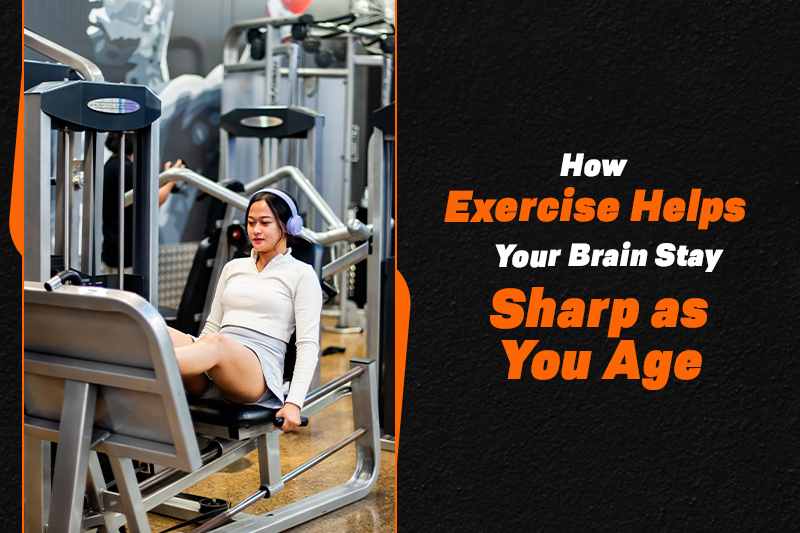
Even simple exercises like walking briskly, cycling, swimming, or exercising at the gym Shepparton with group fitness sessions can improve your brain blood flow.
The brain has an incredible ability to adapt and form new connections throughout life. This process, known as neuroplasticity, allows us to learn new skills, remember information, and adapt to changing environments.
Exercise stimulates the release of proteins that support the growth and maintenance of brain cells. It also strengthens the connections between neurons, making communication within the brain more efficient.
These changes may improve:
Regular physical activity doesn't just strengthen your body—it creates an environment where your brain can continue learning and adapting as you age.
Constant stress and fatigue can lead to a negative impact on a person’s ability to concentrate, remember things, and feel emotionally stable. The positive effect of exercise comes through its natural ability to make one’s body produce endorphins—these are the “feel-good” hormones of our body.
Moreover, exercise regulates stress hormones and helps the brain to relax after all those everyday demands. Often people feel mentally refreshed after having a workout, even though they were tired at the beginning.
Also, regular exercise contributes to better sleep quality, which is crucial for memory consolidation and cognitive functions.
While the connection between aerobic activities and the brain functions is quite obvious, there are many other benefits provided by resistance exercises. The process of doing resistance exercises involves coordination, balance, and movement.
Learning new routines helps different parts of your brain that work on planning, motor skills, and decision-making to stay active. As a result, you are able to keep all the neural connections necessary for coordination and physical activity healthy.
Combining resistance and cardio exercises will give you a complete fitness routine beneficial for both your physical and mental state. Besides, working out in groups makes you socialize, and social contacts have proved to be beneficial for cognitive well-being.
Maintaining your brain health does not necessarily mean rigorous exercises or going to the gym for hours on end. It is about being consistent. Moderate exercising a few times in a week is more than enough to see results.
Some of the good habits are:
Incorporating physical activity into your everyday life brings long-term advantages that go much further than simply keeping fit. Whether it is lifting weights, aerobic exercise, or attending group fitness classes at Shepparton Gym, doing the things you like helps you stick to it.
Apart from being physically healthy, healthy aging means being mentally healthy. Physical activity improves blood circulation, improves memory, reduces stress, guarantees normal functioning of brain cells, and helps maintain cognitive abilities at old age.
The sooner the person makes the habit of physical activity a part of his/her life, the greater the results will be. You have never been too late to start! All walks, trainings, and movements bring better conditions to your brain.
Physical activity together with proper nutrition, good sleep, and education will help to keep the body and mind fit for many years. It is not only the question of life prolongation but also of its energy and independence.

Follow us:-