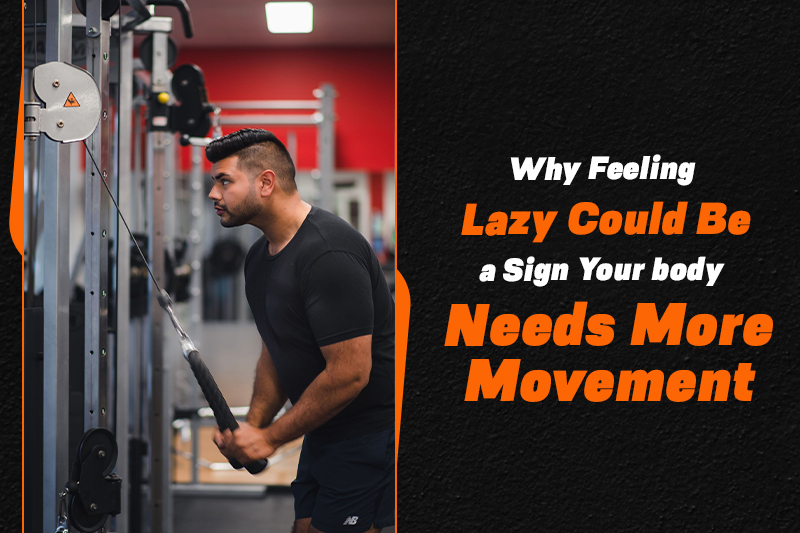
Feeling lazy or lacking motivation is something many people experience from time to time. It is easy to assume that low energy is simply a result of poor discipline or a busy schedule. However, in many cases, feeling constantly tired, unmotivated, or inactive may be connected to a lack of regular movement.
The human body is designed to move. When physical activity decreases, the body can adapt by becoming less energetic, less efficient, and less prepared for daily challenges. Understanding the connection between inactivity and low energy can help people take practical steps toward improving their overall health.
It may seem surprising, but doing less physical activity does not always create more energy. Spending long periods sitting or avoiding movement can actually contribute to feelings of tiredness.
Movement helps improve circulation, supports oxygen delivery, and stimulates the body’s systems that are responsible for energy production. When the body is inactive for extended periods, people may experience stiffness, low motivation, and a general feeling of sluggishness.
This creates a cycle where feeling tired leads to less movement, and less movement can lead to even lower energy levels. Breaking this cycle with regular exercise can help improve how the body feels and functions.
Physical activity does not only affect the body; it also influences the mind. Regular exercise can support better mood, focus, and mental clarity.
When people remain inactive for long periods, they may feel mentally drained even if they have not done physically demanding tasks. Simple movement can help refresh the mind and improve overall well-being.
Many people start exploring fitness programs in Shepparton because they want structured ways to become more active and create healthier routines that fit their lifestyle.
The body responds to the demands placed on it. When muscles, joints, and cardiovascular systems are not regularly challenged, physical capacity can gradually decline.
A lack of movement may lead to reduced strength, lower endurance, and decreased flexibility. Over time, everyday activities such as walking longer distances, lifting objects, or staying active throughout the day can feel more difficult.
Regular exercise helps maintain physical capability by keeping muscles active and improving movement efficiency. Fitness is not only about appearance—it is about helping the body perform better in everyday life.
Many people believe they need high motivation before starting exercise, but often motivation comes after taking action. Small, consistent workouts can help rebuild energy levels and create positive habits.
A structured exercise routine provides the body with regular challenges that encourage adaptation and improvement. Strength training, cardio, and functional movements all contribute to better physical and mental energy.
Facilities such as a 24/7 gym in Shepparton, Victoria, options allow people to exercise around their own schedules, making it easier to build consistency despite work and lifestyle commitments.
Creating a supportive fitness environment can make it easier to overcome inactive habits. Having access to guidance, equipment, and a positive atmosphere can encourage people to stay committed.
A welcoming training space helps remove common barriers such as uncertainty about workouts or lack of direction. Being around others with similar goals can also increase motivation and accountability.
Choosing a fitness community like Kahma Fitness can help individuals create a routine that feels achievable and sustainable over time.
Feeling lazy does not always mean someone lacks motivation. Sometimes it is a sign that the body needs more movement, better routines, and regular physical challenges.
Small changes can create meaningful improvements. Walking more, attending regular workouts, improving strength, and staying consistent can gradually increase energy and confidence.
The goal is not to completely change everything overnight. The most effective approach is creating habits that support long-term health and physical well-being.
A lack of movement can quietly affect energy, mood, and physical performance. While occasional rest is important, too much inactivity can make the body feel less capable and less energetic.
Exercise helps restore balance by improving strength, circulation, and overall function. By making movement a regular part of life, people can reduce feelings of tiredness and build a healthier, more active lifestyle.
Sometimes the solution to feeling tired is not doing less—it is helping your body move more.

Follow us:-